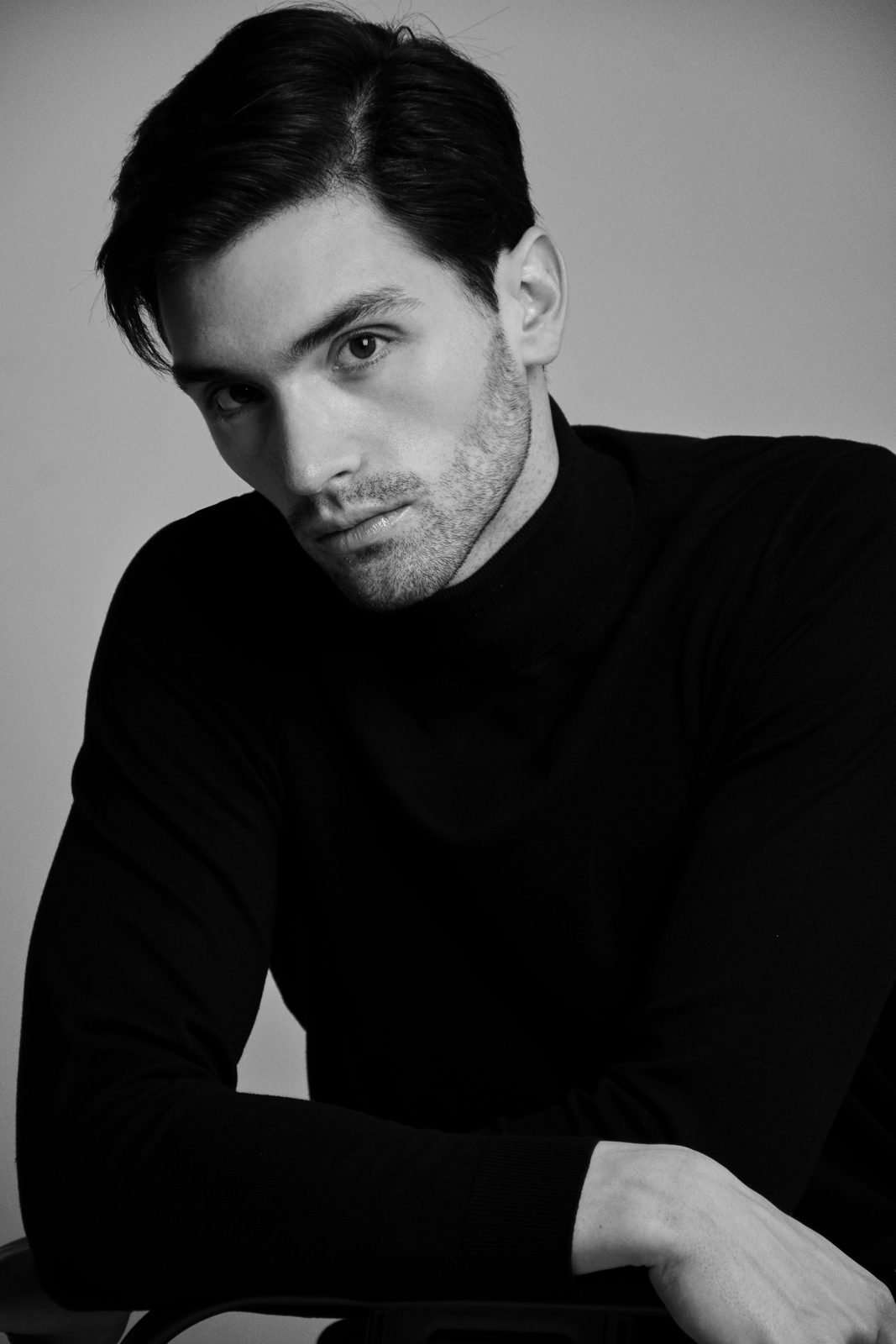
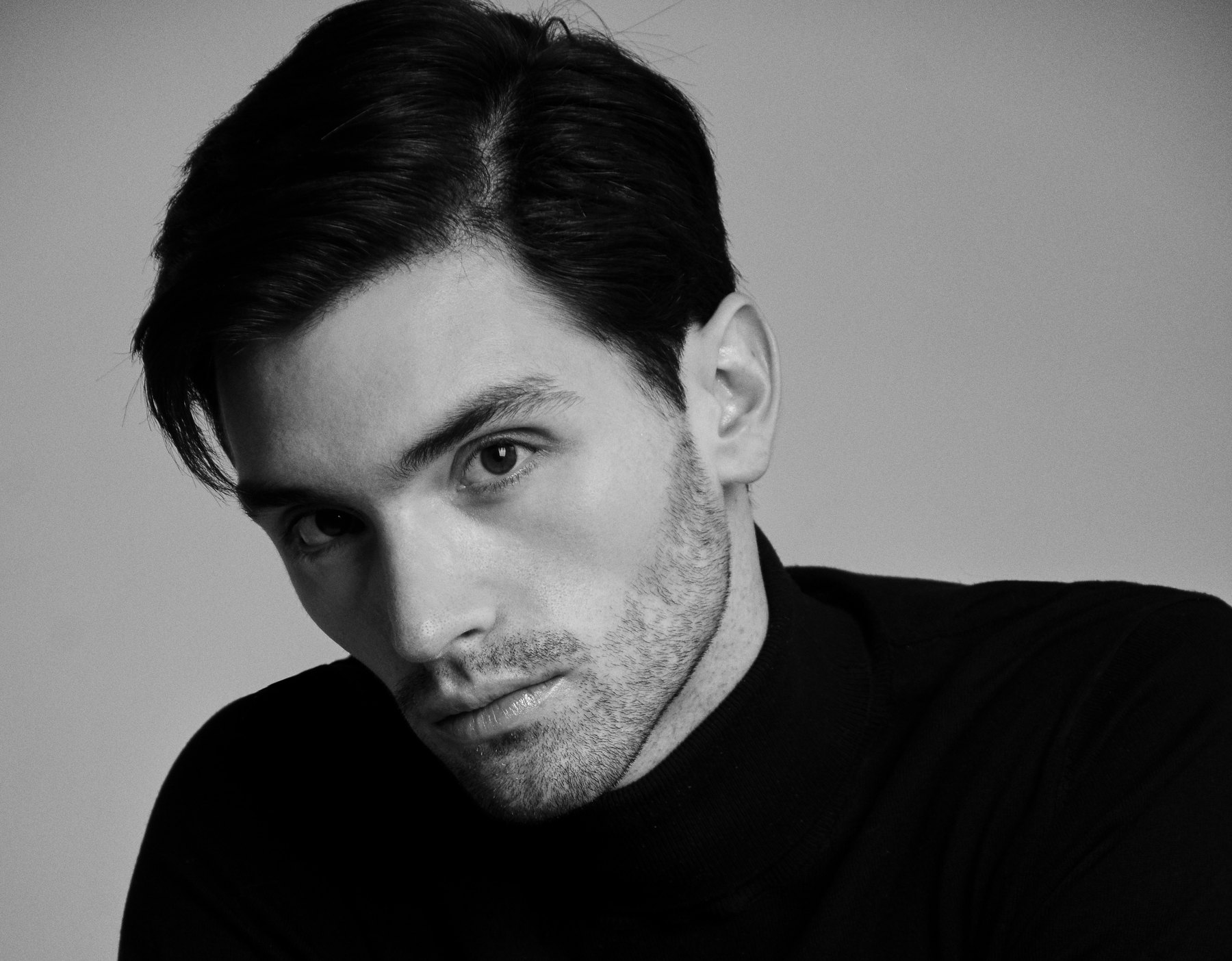
Esteban Julian

EstebanJulian

Tokyo & Seoul

I build things around people. For ten years that meant a media and education platform for the fashion industry. Now it means a private introduction service between Seoul and Tokyo, and a show about what happens after you get what you wanted.

This page is the story in three chapters: the thing I built, the problem that came with winning, and the conversation I am having now about what comes next.

01

Beyond Fashion Business

2017 to 2026 · the thing I built

I started in fashion retail at twenty. Between twenty one and twenty three I launched three brands and every one of them failed. At twenty five I started a marketing agency and that failed too. What I kept noticing, in my own failures and in everyone around me, was that creative people were taught everything except the business side of what they make. Nobody was explaining how a brand actually gets built, financed, sold and kept alive.

So in 2017 I picked up a camera and started asking the people who had figured it out. That became Beyond Fashion Business: hundreds of long-form conversations with the designers, founders and executives behind brands all over the world, recorded in their studios, stores and showrooms in Tokyo, New York, Los Angeles, Paris, London, Copenhagen and Seoul, and over Zoom from wherever they were. It grew into a top fifty fashion podcast, into live masterclasses and a paid school, and into a place where tens of thousands of fashion entrepreneurs and future founders learned the business of fashion from the people doing it.

Ryunosuke Okazaki on what makes great fashion designBFB · Episode 122 · Tokyo
NVRFRGT on why playing it safe is the biggest riskBFB · Episode 128

Guests have included the founders and executives behind R13, RTA, Sky High Farm Goods, Our Legacy, Ganni, Altuzarra, Heliot Emil, Retrofete, Ulla Johnson, Story MFG, Kate Spade, Parts of 4, Baserange, Le Boucle, Pillings and more.

The life that came with it

The work gave me the life I had pictured at the start. Fashion weeks in Paris, backstage and front row, store openings in Tokyo, dinners with the people shaping the industry, friends in every city I landed in, and complete freedom over how I spent my days. By thirty, everything had compounded: the relationships, the reputation, the business, the lifestyle.

I want to be honest about this part, because it matters for what follows. I did not burn out and I did not fail. I got what I was chasing. That is exactly what made the next question so hard to ignore.

Somewhere past the point where it was all working, I realised every goal I had written down was met, and the question underneath them was still there. Who was this for. What was I building toward. And why, with all that access and all those rooms, was I more alone than I had been at twenty five.

02

Elsewhere

Seoul and Tokyo · since 2026 · the problem that came with winning

Success is supposed to make your personal life easier. More freedom, more confidence, more access, more options. For me, and for most of the men I know who built something, it did the opposite.

The career kept moving and the personal life did not. A busy month became six, six became a year, and dating was whatever energy was left over after work. The apps turned attention into noise. More people were available and their motives were harder to read: some interested in me, some in the lifestyle around me, some in proximity to whatever they thought I was. My standards went up, my schedule got less flexible, my tolerance for wasted months went to zero. And I had proven to myself that I could live well alone, which quietly raised the bar for anyone to clear.

Meanwhile the thing I actually wanted had changed. At thirty the goal was no longer the next room or the next deal. It was a partner, a marriage, a family, and a life built around them. The person you build your life with is one of the most consequential decisions you will ever make, and I had given it less structure than I gave a brand audit. That mismatch between how much it mattered and how little intention went into it is the whole problem.

Why Seoul and Tokyo

I had spent years in both cities for work and came to understand the dating culture from the inside: the values, the family orientation, the way relationships are approached, and the fit with the kind of man who is disciplined, ambitious and not looking for more chaos in an already intense life. The same skill I spent a decade on, getting the truth out of a stranger in under an hour, turned out to be the skill this needed.

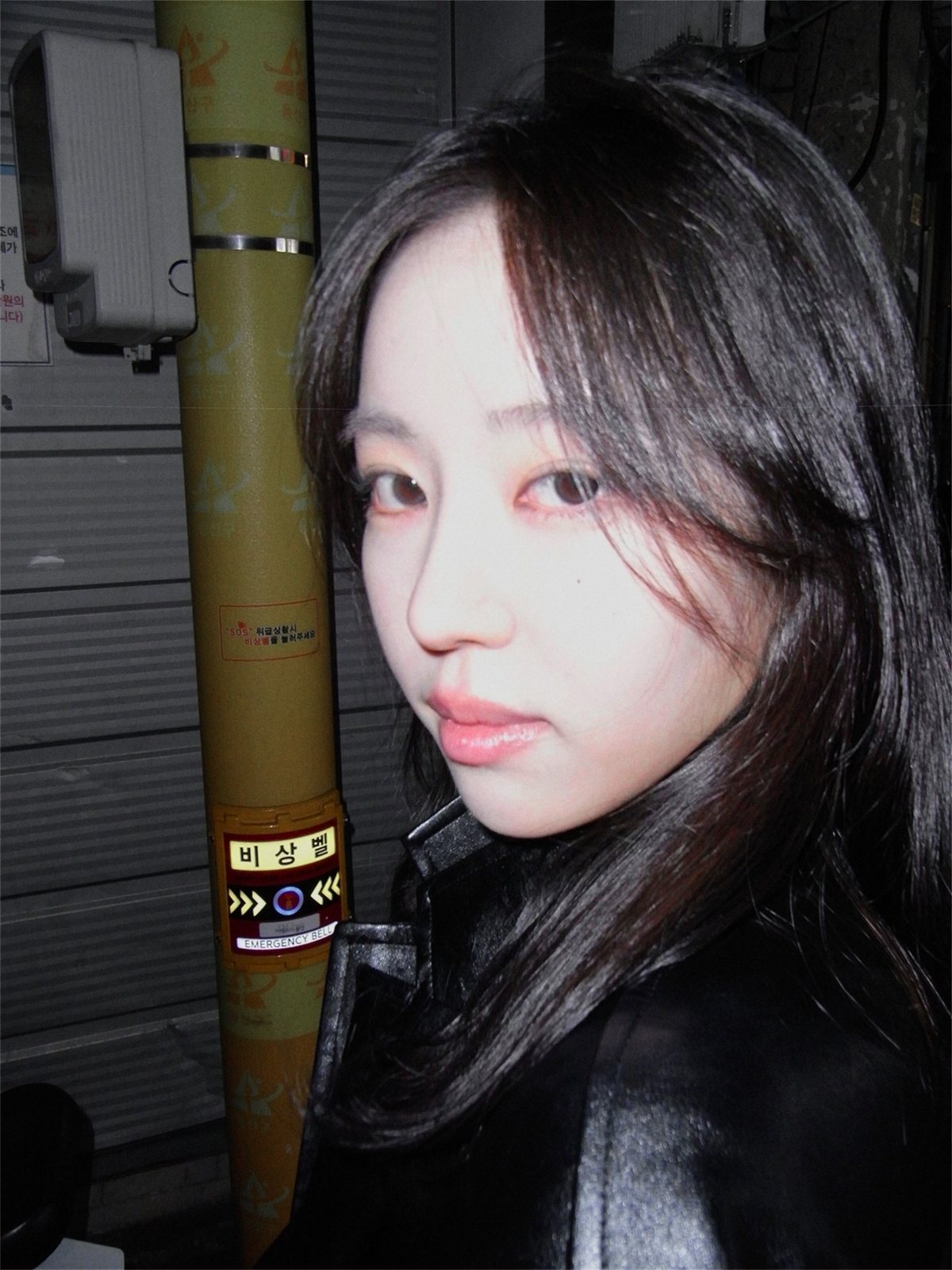
So I went back to the street. Under Big Bro Julian I stop women in Seoul and Tokyo, ask them about love, dating and what they actually want, and photograph them. The interviews became clips that reach millions, the portraits became a magazine, and the network behind them became Elsewhere: a private introduction service for a handful of successful men a year. We define what actually matters to you, source inside and outside our network, filter for intentions and fit, verify mutual interest, introduce, and refine with every date. You keep the only decision that counts. We handle the process around it, with a partner on the ground in each city, so your personal life keeps moving even when work does not slow down.

I built it because I needed it. The first client said yes in the first conversation.
03

Epilogues

The show · first episodes in production · what comes next
New

Every chapter of success ends somewhere. This is the one after.

I got the version of success the industry sells, and the first thing it taught me is that the goals you set at twenty five are not the ones that matter at thirty five. The second thing it taught me is that nobody talks about this honestly. Everyone documents the climb. Almost nobody documents the day you reach the top of it and have to decide what the next climb is for, or whether there should be one at all.

Epilogues is long conversations with people who got what they were chasing: founders, operators, creatives, investors. Not about how they did it. About what came after. How the search for meaning and purpose changes once the scarcity is gone. What the second act actually looks like from inside. Money, status, relationships, family, health, freedom, and which of those turned out to be the real constraint.

And the question underneath all of it, which I think is the question of this decade: in an age where technology and AI are about to hand a lot of us the free time and the identity crisis at the same time, where does meaning come from. The people on this show have already lived a version of that. I want to learn from them in public.

Success was never the number. It was always the alignment.

If you built something, got to the other side of it, and are still working out what it was for, I would love to talk. If you know someone who has, send them my way.

Esteban Julian
04

Features

Conversations and appearances